Gum recession happens when the gum tissue pulls back from the tooth, exposing the root. This can cause sensitivity, higher risk of decay, and an older-looking smile. If you want to restore receding gums, this article explains what causes recession, which treatments can stop or reverse it, what recovery looks like, and when to see a specialist. You’ll get clear, realistic answers so you can make the best choice for your oral health.
What Causes Gum Recession?
Gum disease (periodontitis)
Periodontitis is an infection of the gums and supporting bone. Bacteria and inflammation destroy the tissues that hold teeth in place, which can make gums pull away. Treating the infection early is the first step to prevent further recession and potential tooth loss.
Mechanical causes
Brushing too hard, using a stiff toothbrush, aggressive flossing, or abrasive toothpaste can wear gum tissue away over time. Repeated toothbrush abrasion often shows as narrow notches near the gum line and can be stopped by changing technique and tools.
Other contributors
Teeth grinding (bruxism), misaligned or uneven teeth, orthodontic movement, tobacco use, family history, and natural aging all increase the risk of recession. Often multiple factors combine, so a full exam helps identify the main drivers.
Can You Restore Receding Gums? What dentistry can realistically achieve
You can often stop progression and improve lost gum tissue, but results depend on the cause, how severe the recession is, and your overall health. Dentistry can halt disease, reduce sensitivity, and cover exposed roots using surgical or minimally invasive techniques. Some procedures regenerate tissue and bone, but complete regrowth to the original state isn’t always possible. Realistic goals are reduced pain, better root coverage, a healthier gum level, and improved appearance.
Treatment Options to Restore Receding Gums
Non-surgical treatments
If gum disease is present, scaling and root planing (deep cleaning) removes bacteria and tartar below the gum line to allow healing. Improved home care, antimicrobial rinses, occlusal therapy for grinding, and targeted laser pocket therapy can control infection and stop further recession.
Minimally invasive procedures
The Pinhole Surgical Technique (PST) and Allen Tunnel approach reposition existing gum tissue through small openings without large incisions or grafts. Laser-assisted methods can reduce bacteria and help tissue adapt with less pain and quicker recovery. These options are best for mild-to-moderate recession in healthy patients.
Surgical and regenerative procedures
Connective tissue grafts and free gingival grafts move tissue from the palate or donor sources to cover roots and thicken thin gums. Guided tissue regeneration and biologic materials (growth factors, collagen matrices) help encourage new tissue and sometimes bone formation. These methods are the standard for predictable root coverage in moderate-to-severe cases.
When restorative dentistry or implants play a role
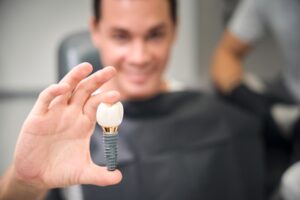
If tooth position, crowns, or poor restorations cause recession, fixing those issues can stop further damage. In cases of tooth loss or severe bone loss, implant-supported prosthetics or other restorations may be needed to restore function and prevent nearby gum problems.
Recovery, Risks, and What Results to Expect
Healing timelines vary: non-surgical care shows improvement in weeks, while grafting procedures usually need 1–3 months for primary healing and up to 6–12 months for final tissue maturation. Expect some soreness and sensitivity for a few days; pain is usually controllable with over-the-counter meds and prescribed care. Root coverage can be long-lasting with good hygiene, but risks for recurrence include smoking, untreated bite issues, poor home care, and ongoing periodontal disease.
How to Prevent Future Gum Recession
Use a soft-bristled toothbrush and gentle circular strokes or an electric brush with pressure control. Avoid abrasive pastes and adopt proper flossing technique. If you grind your teeth, a night guard can protect gums and tooth structure. Quit tobacco, treat gum disease early, and keep regular dental visits and professional cleanings to catch problems before they progress.
When to See a Periodontist
See a specialist if you have deep pockets, rapid or multiple areas of recession, exposed root sensitivity, loosening teeth, or if prior treatments failed. A periodontist evaluates bone loss, root exposure, and bite relationships and can plan grafting or regenerative care. Specialists also manage complex cases requiring advanced imaging and combined surgical-restorative approaches.
Why Choose Idaho Perio to Restore Receding Gums
If you want to restore receding gums in Boise or restore receding gums in Meridian, Idaho Perio offers board-certified periodontists with advanced training in gum regeneration and root coverage. The team combines minimally invasive options like LANAP®, Pinhole Surgical Technique, and the Allen Tunnel with advanced tools such as CBCT 3D imaging, Waterlase® and Nd:YAG lasers, and an in-house lab to improve precision and healing. Their focus on evidence-based care and specialty experience helps deliver predictable results for complex cases.
Next Steps / Call to Action
At a consultation you can expect a full exam, imaging as needed, and a personalized plan outlining non-surgical and surgical options. Simple prep tips include avoiding tobacco, listing medications, and noting sensitivity or changes you’ve noticed. If you’d like to discuss ways to restore receding gums in Boise or restore receding gums in Meridian, schedule an evaluation to review your options and find the most appropriate, evidence-based path to healthier gums.