
Dental implants are a long-lasting way to replace missing teeth. This article explains what dental implants are, who is a good candidate, how to prepare for a consultation, the step-by-step procedure, recovery expectations, costs and payment options, and how to choose a trusted provider. If you’re searching for dental implants cadwell id, this guide will help you know what to expect and what questions to ask so you can make a confident decision.
What Are Dental Implants?
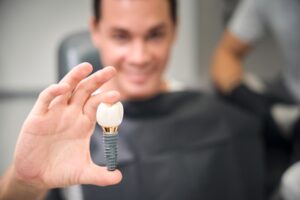
A dental implant is a small titanium post placed into the jawbone to act like a tooth root. After the implant fuses with bone, a connector (abutment) and a crown, bridge, or denture are attached. An implant crown replaces one tooth, an implant-supported bridge replaces several adjacent teeth, and implant-supported dentures or full-arch prosthetics replace all teeth in an arch. Implants are designed to be a long-term solution that looks and functions like natural teeth.
Who Is A Good Candidate For Dental Implants?
Overall health and medical factors
Good overall health helps implants heal well. Conditions like uncontrolled diabetes, certain immune disorders, or treatments such as radiation can affect success. Smoking slows healing and raises failure risk. Some medications (like high-dose steroids or certain bisphosphonates) may change candidacy. Your provider will review your medical history to plan safely.
Oral health and bone quality
Healthy gums and enough jawbone are essential. If bone has shrunk where a tooth was lost, bone grafting or a sinus lift may be needed before or during implant placement. Gum disease must be treated first. Your dentist will check gum health and measure bone to see if you need preparatory procedures.
Age and lifestyle considerations
Adults of almost any age can get implants if bone and health conditions allow. Younger people should wait until jaw growth is finished. Older adults often do well but should expect a slightly longer healing period. Lifestyle factors—like athletics or job demands—affect timing and prosthetic choices. Realistic expectations and willingness to maintain oral hygiene are key.
How To Prepare For Your Implant Consultation
Bring a list of medications, medical history, and any dental records or X-rays you have. Note your goals, budget range, and any fears about treatment. Be ready to discuss smoking and past dental experiences.
What your dentist/periodontist will evaluate
The clinician will perform a mouth exam, check bite and jaw joint function, and evaluate neighboring teeth. They will look for signs of gum disease and assess how much bone is available where implants are needed.
Imaging and planning tools
Modern implant care often uses 3D CBCT scans to show bone, nerves, and sinuses in detail. This helps the team plan implant size and position and avoid important anatomy. Guided surgery planning can map the exact implant placement before the procedure, making surgery more precise and predictable.
The Dental Implant Procedure: Step-by-Step
Single-tooth implant
If a tooth needs extraction, that may happen first. The implant is placed into the bone during a minor surgery. Healing (osseointegration) usually takes a few months. Then an abutment is attached and a custom crown is placed to match your bite and appearance.
Multiple implants and implant-supported bridges
Replacing several teeth requires planning for implant number and position to support a bridge. Surgery may be staged or done all at once depending on bone and health. Prosthetic design considers how forces are shared across implants for long-term stability.
Full-arch solutions (All-on-X / All-on-4)
Full-arch options use several implants to support an entire upper or lower set of teeth. Some workflows offer immediate loading—temporary teeth placed the same day—while others wait for healing. Full-arch care often includes a staged treatment plan to restore function and esthetics predictably.
Recovery, Risks, And What To Expect After Surgery
Expect swelling and mild to moderate discomfort for a few days. Pain is usually controlled with prescribed or over-the-counter meds. Soft foods and avoiding heavy chewing on the surgical side help healing. Most people return to normal activities within a few days but should avoid strenuous exercise for a week.
Common risks and how they’re managed
Risks include infection, implant failure, nerve or sinus issues, and swelling. Good surgical technique, antibiotics when needed, and careful follow-up reduce risks. Contact your provider for increased pain, fever, numbness, or unusual drainage.
Long-term care and success rates
Implants have high success rates when cared for properly. Daily brushing, flossing or interdental cleaning around implants, and regular dental visits are needed. With good care, implants can last decades. Routine exams let your clinician check implant health and prosthetics.
Cost, Insurance, And Financing Options
Costs vary widely based on the number of implants, the need for bone grafting or sinus lifts, the type of restoration, and the provider’s experience. Single implants with crown often cost less than full-arch solutions. Dental insurance may cover part of some procedures but rarely covers implants fully. Many practices offer financing, payment plans, or third-party medical credit to spread costs.
Choosing the Right Provider Near Cadwell, ID
Experience matters, especially for complex cases like bone grafting or full-arch restorations. A board-certified periodontist or oral surgeon brings advanced training in bone and gum care and implant surgery. Look for a provider who uses modern imaging and can show before-and-after cases. If you need specialty care, consider a practice that coordinates all steps under one roof for smoother treatment. A light note about local specialty care: Idaho Perio Center offers board-certified periodontists and advanced tech to improve predictability and comfort for implant care.
What Sets Advanced Implant Care Apart
– CBCT 3D imaging: precise views of bone, nerves, and sinuses for safer planning. – Guided surgery: digital guides help place implants exactly where planned. – Laser therapies (LANAP, Waterlase, Nd:YAG): reduce discomfort and speed healing for gum and soft-tissue work. – In-house dental lab: faster, more precise restorations and better fit for crowns and dentures. – Minimally invasive grafting techniques: less pain and quicker recovery for bone and tissue work.
Next Steps If You’re Considering Dental Implants By Cadwell, ID
To start, gather your medical history and any recent X-rays, then schedule a consultation. At your first visit you’ll get an exam, imaging as needed, and a clear treatment plan with timeline and cost estimates. Ask how many similar cases the team has treated, what technologies they use, and what to expect during recovery. If you’re ready, contact the practice for a personalized implant plan and to discuss financing options. A consultation will help you decide if dental implants Cadwell, ID are the right choice for restoring your smile and function.