Finding a trustworthy periodontist can feel overwhelming. This guide will help you find the best periodontist nampa id, explain common reasons people see a specialist, and tell you what to look for. You’ll learn the warning signs that need specialist care, the credentials and technology that matter, practical factors like cost and scheduling, the right questions to ask, what common procedures involve, and how long-term success is measured. At the end, you’ll see a trusted local option and how to book a consult.
Why you might need a periodontist
If you notice gum recession, loose teeth, deep pockets around teeth, bleeding gums, chronic bad breath, or failed implants, you may need a specialist. Periodontists treat advanced gum disease, bone loss, and problems that affect the tissues supporting teeth and implants. These signs don’t always mean severe disease, but they do warrant evaluation. A general dentist handles routine care and mild gum disease. A periodontist has extra training for complex cases — for example, regenerative surgery, bone grafting, advanced implant placement, and treatment when general approaches fail. If your dentist recommends referral or if you have ongoing symptoms despite treatment, see a periodontist nampa id.
Key credentials to look for in a periodontist nampa id
Board certification and specialty training
Board certification and completed periodontal residency show advanced education beyond dental school. These credentials matter because they mean the doctor has passed rigorous exams and met standards for complex surgical care. For tricky bone grafts, implant planning, and regenerative treatments, prioritize board-certified specialists.
Experience with your specific problem
Look for a periodontist nampa id who has treated cases like yours. Ask about experience with periodontal regeneration, bone grafts, implant placement, and full-arch restorations. Case examples, before-and-after photos, or patient stories that match your situation indicate real-world skill and predictable results.
Technology and techniques that signal high-quality care
High-quality practices use CBCT 3D imaging for precise implant planning and to avoid nerves and sinuses. Digital scans, guided surgery, and an in-house dental lab speed treatment and improve fit. These technologies reduce surprises and make outcomes more predictable. Minimally invasive options — LANAP, Pinhole Surgical Technique, Waterlase, Nd:YAG and diode lasers — mean less bleeding, smaller incisions, and faster healing. Ask whether the periodontist nampa id offers these options and when they recommend them versus traditional surgery.
Practical factors: accessibility, financing, and patient experience
Choose a practice with convenient scheduling and parking near Nampa, ID, and clear processes for transferring records from your dentist. Ease of access matters when you need multiple visits for grafts or implants. Check office hours, emergency contact policies, and whether they accept electronic referrals. Financially, confirm which insurances they take, what portion is typically covered, and whether payment plans or third-party financing are available. Read patient reviews and view before-and-after photos to judge results. Clear pre- and post-op instructions and friendly staff make care easier and reduce anxiety.
Questions to ask at your first consult with a periodontist nampa id
Bring a list of questions: What’s my diagnosis and are there non-surgical alternatives? What are the expected outcomes and risks? How many similar cases have you done? What sedation options and pain-control methods do you offer? What is the timeline from surgery to final restoration? Good answers include specifics, visuals (x-rays/CBCT), step-by-step plans, and realistic timelines rather than vague promises.
What to expect during common periodontal procedures near Nampa, ID
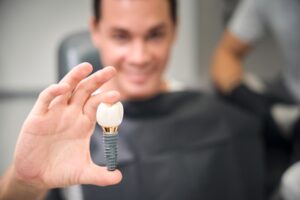
Scaling and root planing: a deep cleaning to remove bacteria and smooth roots, often with local anesthesia; healing takes a few days to weeks with improved gum health over months. LANAP laser therapy: uses lasers to remove disease and stimulate healing with less bleeding and quicker recovery than open surgery. Pinhole Surgical Technique: corrects gum recession through a small entry point without grafts or sutures; recovery is typically faster and less painful. Bone grafting and socket preservation rebuild lost bone and prepare sites for implants; healing may take months depending on extent. Implant placement ranges from single-tooth implants to All-on-X full-arch restorations; staged protocols and guided surgery improve accuracy. Expect soreness for a few days, detailed home-care instructions, and follow-up visits to monitor healing.
How outcomes are measured and long-term care
Success is tracked by pocket depth measurements, stable bone levels on imaging, implant stability, and patient-reported outcomes like comfort, chewing ability, and aesthetics. Regular maintenance visits — often every 3–4 months for high-risk patients — plus excellent home care (brushing, interdental cleaning, and possibly adjunctive rinses) are essential to preserve results long term.
Why consider Idaho Perio Center when searching for a periodontist near Nampa, ID
Idaho Perio Center offers board-certified specialists with decades of combined experience in advanced periodontal and implant care. They emphasize evidence-based, minimally invasive techniques and use on-site CBCT imaging, LANAP, Pinhole Surgical Technique, Waterlase and Nd:YAG lasers, and an in-house dental lab. Their implant-supported full-arch workflows and digital diagnostics help deliver predictable results and faster turnaround.
Next steps: scheduling a consult with a periodontist nampa id
Prepare for your visit by bringing dental history, recent x-rays if you have them, and a list of medications. A consultation will include exam findings, imaging if needed, and a personalized treatment plan with timelines and cost estimates. Book a consultation to get a clear plan and next steps tailored to your needs.