
Dental implants replace missing teeth with a metal post (implant), a connector (abutment), and a crown or prosthesis that looks and works like natural teeth. Understanding the process of implant helps you know what to expect, how long it takes, and the common steps from planning to final restoration. This guide explains each phase in plain language so you can feel confident asking questions and planning your care.
What is the process of implant?
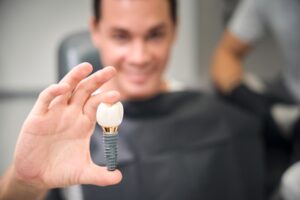
The process of implant typically includes consultation, imaging and planning, surgery to place the implant fixture, healing as the bone fuses to the implant (osseointegration), and the final restoration—attaching an abutment and crown or prosthesis. The implant fixture is the titanium post placed in bone, the abutment connects the fixture to the visible crown, and the crown is the tooth-shaped replacement. Together they restore function and appearance.
Before surgery: evaluation and planning
Consultation and 3D imaging
A clinical exam and CBCT 3D scan map your jawbone, nerves, and sinuses so the team can plan safe implant placement. Imaging shows bone height and density, helping decide implant size and location. This step reduces surprises and improves accuracy.
Treatment planning and preparatory care
Your dentist or specialist will treat gum disease, remove decayed teeth, and evaluate the need for bone grafts. Bone grafting or socket preservation may be done weeks or months before implant placement to ensure enough healthy bone for long-term success.
The surgical phase: placing the implant
Guided surgery and anesthesia options
Guided surgery uses digital plans and surgical guides to place implants precisely. Local anesthesia, oral sedation, or IV sedation are options to keep you comfortable. Many procedures use minimally invasive techniques to limit swelling and speed recovery.
When grafting or sinus lifts are needed
If bone is thin or too low near the sinuses, grafting or a sinus lift may be necessary. These procedures add bone so the implant has strong support, which improves the chance the implant will last for decades.
Healing: osseointegration and temporary restorations
After placement, bone grows around the implant in a process called osseointegration. This usually takes several weeks to a few months. Temporary restorations can be used for appearance and function while healing occurs. Normal healing includes mild soreness and swelling; persistent pain, pus, or loose implants need prompt attention.
Final restoration: abutment and prosthetic work
Once healed, the abutment is attached and the final crown, bridge, or full-arch prosthesis is fitted. An in-house lab can speed up adjustments and improve fit. The final restoration is color-matched and shaped for natural chewing and speech.
Risks, success factors, and long-term care
Common risks include infection, implant failure, or nerve irritation. Success improves with good oral hygiene, controlled health conditions (like diabetes), and adequate bone. Maintain implants with regular cleanings, daily brushing and flossing, and a night guard if you grind your teeth.
Why choose a specialist for the process of implant
For complex cases, seeing a board-certified periodontist matters. Idaho Perio’s team—Dr. Jace Hansen, Dr. Kip Katseanes, and Dr. Christopher Sprott—offers decades of experience placing implants and managing bone and gum health. Their specialty training helps them handle challenging anatomy and deliver predictable results.
Technology and workflow that improve outcomes
Advanced tools like CBCT 3D imaging, guided surgery, LANAP®, Waterlase®, Nd:YAG and diode lasers, Pinhole Surgical Technique, Allen Tunnel grafting, and All-on-X workflows improve precision and healing. An in-house dental lab speeds prosthetic delivery and fine-tunes fit.
What to expect after treatment & next steps
Expect short-term discomfort, detailed aftercare instructions, and follow-up visits to check healing. Call the office for increasing pain, swelling, or signs of infection. To review your individual process of implant and get a personalized plan with Idaho Perio, request a consultation today.