There are many dental correction options and appliances available, and they all seem to go by different names, which can get confusing fast. One term that comes up often but isn’t widely understood is fixed prosthodontics. Your dentist in Meridian, ID, can walk you through your specific options in person, but here’s a clear explanation of what fixed prosthodontics actually means, who needs it, and how it differs from other dental specialties.
What Are Fixed Prosthodontics?
Fixed prosthodontics is a branch of dentistry focused on designing, fitting, and permanently placing replacements for damaged or missing teeth. “Fixed” means the appliance is cemented, bonded, or otherwise attached to the teeth or jaw rather than removed daily, distinguishing it from removable options like traditional dentures. In practice, most people already know fixed prosthodontics by the names of the individual treatments it includes, such as crowns, bridges, and dental implants.
Who Needs Fixed Prosthodontics?
Anyone dealing with missing or damaged teeth, TMJ pain, obstructive sleep apnea, facial or mouth pain, or another unsatisfactory dental condition is a potential candidate for fixed prosthodontic treatment. Common reasons patients seek this type of care include a tooth that’s cracked, worn down, or too decayed to save with a simple filling; one or more missing teeth that affect chewing, speech, or appearance; jaw joint pain linked to a misaligned bite; and grinding or clenching that’s wearing down the natural teeth over time. A consultation with a prosthodontist or general dentist can determine which specific appliance addresses the underlying issue.
Examples of Fixed Prosthodontics
Fixed prosthodontics in Meridian, ID, is used to treat a wide range of dental conditions, and it’s really just the clinical umbrella term for corrective dental options most people already recognize by other names. Common examples include:
- Crowns – Caps that cover and protect a damaged or weakened tooth
- Bridges – Appliances that span the gap left by one or more missing teeth, anchored to the surrounding teeth or implants
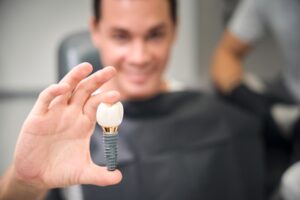
- Dental implants – Titanium posts placed in the jawbone that support a replacement tooth or teeth
- Inlays and onlays – Custom-made fillings that repair moderate tooth decay or damage without requiring a full crown
- Night guards – Appliances worn to protect teeth from grinding and reduce strain on the jaw joint
- Veneers – Thin shells bonded to the front of teeth to correct chips, gaps, or discoloration
Each of these serves a different purpose, but they all fall under the same fixed prosthodontic category because they’re permanently or semi-permanently attached rather than removed for cleaning like a traditional denture.
What Is the Difference Between Prosthodontics and Orthodontics?
Prosthodontics and orthodontics are both dental specialties, but they solve different problems. A prosthodontist’s main focus is replacing missing or damaged teeth with appliances such as crowns, bridges, dentures, and implants, and they also correct tooth structure issues through surgery and related procedures. An orthodontist, by contrast, focuses on straightening teeth that are misaligned, typically using braces, clear aligners, or retainers to move existing teeth into better position rather than replacing them.
In short: prosthodontists rebuild or replace teeth, while orthodontists reposition the teeth a patient already has. Some patients need both, for example, someone who requires orthodontic alignment before a bridge or implant can be placed correctly.
What Are the Advantages of Fixed Prosthodontics?
Fixed prosthodontic treatment offers several benefits for patients dealing with damaged, missing, or poorly functioning teeth:
- Fixes severely damaged teeth that can’t be restored with a standard filling
- Replaces missing teeth, restoring the ability to chew and speak normally
- Corrects TMJ-related issues by improving how the jaw joint and bite work together
- Improves your bite, which can reduce uneven wear, jaw strain, and related pain over time
Beyond function, fixed prosthodontic work often restores confidence in a patient’s smile, since many of these appliances, particularly crowns, bridges, and veneers, are designed to blend in with the surrounding natural teeth.
What Are the Disadvantages of Fixed Prosthodontics?
Like any dental procedure, fixed prosthodontics comes with some trade-offs worth understanding beforehand:
- Operative procedures can cause seen and unseen damage. Preparing a tooth for a crown or bridge, for example, involves removing some natural tooth structure.
- Some irritation to the tooth’s nerve is common. Most procedures cause at least mild, temporary nerve irritation as the tooth adjusts.
- Loss of retention can occur over time. Appliances like crowns or bridges can loosen or need re-cementing years down the line.
- A small risk of periodontal disease exists, though this is rare and typically linked to poor fit or inadequate home care rather than the procedure itself.
These risks are generally low and manageable, especially with an experienced provider and good follow-up care, but they’re worth discussing during a consultation.
How Long Do Fixed Prosthodontic Appliances Last?
Longevity varies by appliance and by how well a patient maintains it. Crowns and bridges typically last 10 to 15 years or longer with proper care, while dental implants, when successful, can last decades or even a lifetime. Regular checkups, good oral hygiene, and avoiding excessive grinding or biting on hard objects all extend the life of fixed prosthodontic work.
What Happens During a Fixed Prosthodontics Consultation?
A typical consultation starts with an exam and often X-rays or 3D imaging to assess the condition of the affected teeth, gums, and jawbone. The dentist or prosthodontist will discuss the patient’s symptoms and goals, whether that’s replacing a missing tooth, relieving jaw pain, or repairing a damaged tooth, and then recommend which type of fixed appliance fits the situation. Treatment timelines vary: a crown might be completed in one or two visits, while an implant-supported restoration can take several months due to the healing time required after the implant is placed.
Frequently Asked Questions
Is a dental implant considered fixed prosthodontics? Yes. Dental implants, along with the crown, bridge, or denture attached to them, are one of the most common forms of fixed prosthodontics because the implant post is permanently placed in the jawbone.
Are fixed prosthodontics the same as dentures? Not exactly. Traditional dentures are removable, while fixed prosthodontics refers to appliances that are permanently attached, such as implant-supported bridges or crowns. Some denture types can be fixed in place using implants, blurring the line between the two categories.
Does insurance cover fixed prosthodontics? Many dental insurance plans cover at least a portion of procedures like crowns and bridges, though coverage for implants varies more widely. Checking directly with the insurance provider and the dental office is the best way to understand specific costs.
How do I know if I need a prosthodontist instead of a general dentist? General dentists can perform many prosthodontic procedures, but complex cases involving multiple missing teeth, significant bite issues, or extensive restorative work often benefit from a specialist with additional training specifically in prosthodontics.
Looking for a Dentist in Meridian, ID?
Correcting dental issues to get the smile you’ve always wanted can be exciting, and understanding your options is the first step. Contact Idaho Perio today so the team can help you find the right fixed prosthodontic solution and get you smiling again.
Leave a Reply
Leave a Reply Cancel reply
Your email address will not be published. Required fields are marked *